

Mabuhay Rebels!
Happy Filipino American History Month to our Pinoy ates and kuyas!
We’ve got plenty of reasons to leave the house this October. Larry Itliong’s family is talking labor history in Tacoma, Filipino writers are gathering in San Francisco and Queens’ Little Manila is getting its first Filipino American History Month parade.
With the midterms less than five weeks away, we’re looking at some Asian candidates on the ballot and why AAPI voters may or may not actually show up in election booths. Plus: California has a new way to recognize colleges serving AANHPI students and researchers have documented hundreds of thousands of anti-South Asian hate posts online.
TRY Team
Featured
Filipino American History Month expands its footprint across the US
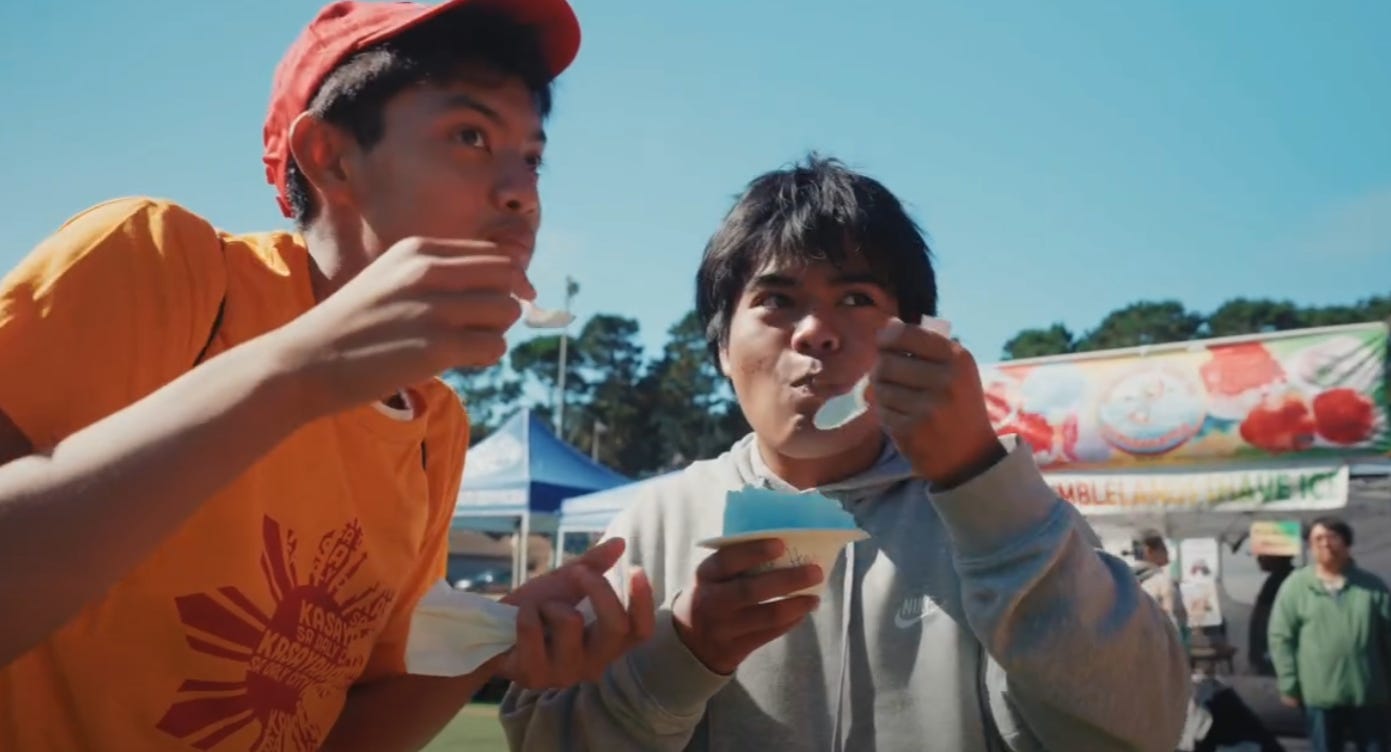
Nearly four centuries after the earliest documented Filipinos arrived in what is now California, Filipino American History Month is still adding new traditions.
October has brought a new Kapwa Square to Los Angeles and will soon bring the first Filipino American History Month parade to Little Manila in Queens. More events are being prepped across California, Hawaii, Washington, Illinois, Nevada, Texas and Virginia…
What else we’re tracking
AAPI voters say they’ll show up, but the record is less sure
Asian American voters sound ready for the midterms. The latest national survey found 90% of registered respondents intend to cast a ballot, up from 84% ahead of the 2022 midterm elections. But registration, turnout and intention are three different things, and the historical numbers suggest Election Day participation will not look nearly as overwhelming as that first figure.
Here are a few of the AAPI candidates we’re watching through Election Day
A few Asian American candidates we are highlighting today include candidates for Ohio governor, Los Angeles mayor, congressional seats in California, Arizona and New Hampshire and statewide offices in Wisconsin and Arizona. Let’s look at what their races could change, without pretending the polls have already decided anything.
California creates its own designation for colleges serving AANHPI students
California colleges can now seek a state designation recognizing their work serving Asian American, Native Hawaiian and Pacific Islander students. Gov. Gavin Newsom signed the measure after federal funding for AANHPI-serving institutions was cut, creating a five-year designation tied to plans for outreach, retention, graduation and student services.
The internet’s anti-South Asian hate problem is getting worse
Anti-South Asian hate online is no longer confined to fringe corners of the internet. One study counted more than half a million hateful posts on X over 18 months, while another found South Asians were the targets of 71% of the online anti-Asian threats of violence it tracked. Researchers are also watching new slurs and AI-generated racist imagery spread across platforms.
Cornell sexual assault case revived as scrutiny of defendant reaches South Korea
A former Cornell student says seven fraternity members were involved in events surrounding her alleged sexual assault in 2024. No criminal charges followed her initial report, but the local district attorney has now reopened the case after learning of additional material from the university’s investigation. In South Korea, attention has focused on one defendant whose nationality has not been confirmed.
Chinese nationals arrested after facial scans fail to match their US passports
Facial recognition at John Wayne Airport flagged two travelers after their scans failed to match the U.S. passports they presented, according to federal prosecutors. The two Chinese nationals allegedly weren’t listed on the flight manifest under their real names either. What authorities have not alleged is just as important: there is currently no accusation of espionage or another national security plot.
Dolores Sibonga, Seattle’s first woman of color on City Council, dies at 95
Seattle lost a political pioneer last month with the death of Dolores Sibonga at 95. The Filipina American lawyer became the city council’s first woman of color and pushed to bring women and minorities into parts of city government where officials once told her qualified candidates simply did not exist. She found them, then helped a generation of Asian American women follow her into public office.
US and China’s WWII alliance talk is causing problems in Taiwan and Japan
A single sentence about World War II has created a diplomatic history lesson involving Washington, Beijing, Taipei and Tokyo. After Xi Jinping’s state visit, the White House described the U.S. and China as wartime allies. Taiwan notes that the People’s Republic did not exist until 1949, while Japan is pushing back on Beijing over a separate piece of the postwar order.
Why read Issue #266?
We cannot stress enough how consequential November is. Remember that some of the choices made at the ballot box will reach into things we hold close: the communities we’ve built, the histories we want preserved and our ability to feel safe, whether we’re walking down the street or simply existing online.
Thankfully, we have October before we get there. And what better way to spend it than celebrating with our Filipino friends? There will be tons of lumpia to eat, karaoke songs to belt out to and nearly four centuries of history to appreciate.
There’s something worth carrying from all that celebration into next month: communities become stronger when people actually show up for them. Election Day is another chance to do exactly that.
Support independent Asian diaspora journalism. Become a paid subscriber to read the full stories and help sustain The Rebel Yellow.
The Rebel Yellow is supported in part by funding from The Asian American Foundation (TAAF). Funders do not influence story selection, reporting, or editorial decisions. All editorial content is independently produced by The Rebel Yellow team.