

Today’s stories feature the death of a Vietnamese immigrant at an Indiana detention facility already under scrutiny, the death of a Chinese scientist at the University of Michigan amid claims he had been subjected to “hostile questioning,” a record year for anti-Sikh hate crimes, Kamala Harris’s strongest signal yet of a 2028 presidential bid, the death of iconic Indian playback singer Asha Bhosle at 92 and new research reshaping what scientists know about early humans in East Asia and the genetic legacy of Genghis Khan.
Featured
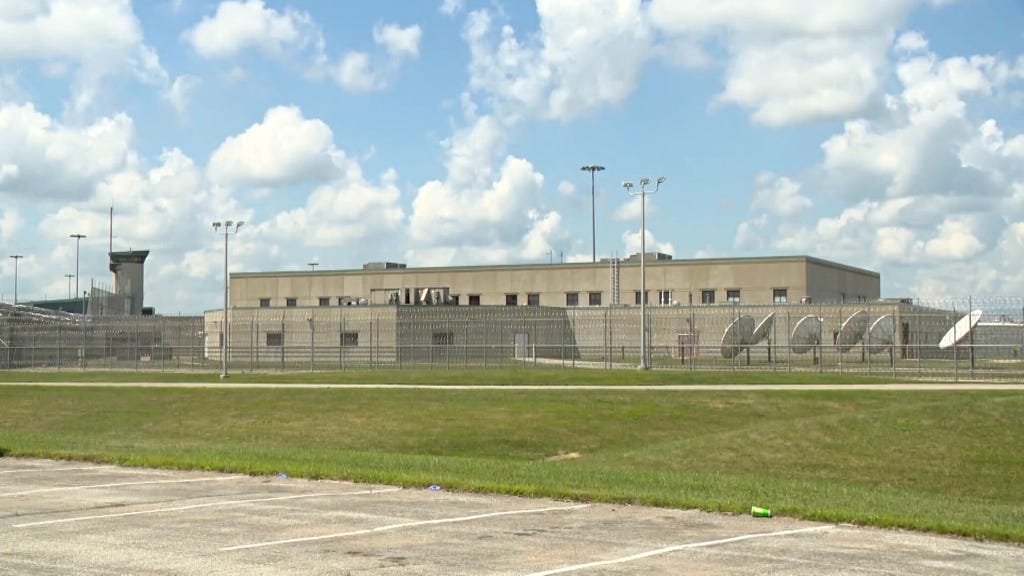
Second Southeast Asian detainee dies at Indiana ICE facility in 2 months
A 55-year-old Vietnamese immigrant has died at the Miami Correctional Facility in Indiana, the same facility where a Cambodian detainee died in February. Tuan Van Bui, who entered the U.S. in 1990 under the Amerasian Homecoming Act, was found unresponsive and pronounced dead earlier this month. He had filed a habeas petition challenging his detention in February.
Bui is the 46th person to die in federal custody in the second Trump administration. The ACLU of Indiana has called for accountability at the facility, where Freedom for Immigrants logged hotline calls from detainees describing medical neglect, inadequate food and physical abuse by guards.
What else we’re tracking
Death of Chinese scientist in Michigan after alleged “hostile questioning” draws scrutiny
A Chinese scientist, 30, died after falling from an engineering building at the University of Michigan, and campus police are investigating the case as a possible act of self-harm. Responding to a report that the scientist had been subjected to “hostile questioning” by U.S. law enforcement, a Chinese foreign ministry spokesperson said Beijing had called for a full investigation.
Anti-Sikh hate crimes hit record high in 2025 as overall incidents decline
Anti-Sikh hate crimes reached a record 228 reported incidents in 2025, a sharp rise even as overall hate crimes fell 11%, according to a preliminary analysis of FBI data. The anti-Sikh category was first introduced in 2015 with just six reported incidents. The record, however, was not the only one set last year, and the data suggests that spikes triggered by major events tend not to recede.
Kamala Harris gives strongest signal yet of 2028 presidential bid
Kamala Harris has offered her strongest suggestion yet of a 2028 presidential run at a civil rights convention this weekend. As the first Asian American to serve as vice president, another bid would again place an Asian American candidate at the center of a national campaign. Early polling shows her leading the potential Democratic field.
Asha Bhosle, an iconic voice in Indian cinema, dies at 92
Asha Bhosle, one of Indian cinema’s most iconic playback singers, died this weekend at age 92. Her recordings appeared in thousands of films across multiple languages over a career spanning more than 70 years. Mourners gathered outside her Mumbai residence as tributes came from across India’s political and cultural establishment.
New dating of Chinese fossils narrows gap between ancient stone tools and early humans
Researchers have redated two Homo erectus skulls from China’s Yunxian site to about 1.77 million years ago, pushing the species’ known presence in East Asia significantly further back. The revised timeline narrows the gap between the fossils and older stone tools at a separate site to roughly 350,000 years, suggesting early populations reached the region far sooner than previously established.
New DNA research challenges the “1 in 200 men” Genghis Khan claim
For more than two decades, scientists have repeated the claim that about one in 200 men alive today descend from Genghis Khan. However, new ancient DNA research suggests that the famous lineage likely came from several powerful steppe clans rather than a single imperial ancestor. The evidence comes from sequenced genomes of medieval elites with ties to the Mongol Empire.
Why read Issue #198?
This issue’s stories keep returning to the same gap between what institutions promise and what they deliver, whether in a detention facility where calls for help went unanswered, an investigation that became a diplomatic crisis before the facts were established, or a hate crime record that the tracking system was barely designed to catch. The closing stories push in a different direction, toward legacies and discoveries that outlast the systems around them.
Support independent Asian diaspora journalism. Become a paid subscriber to read the full stories and help sustain The Rebel Yellow.
The Rebel Yellow is supported in part by funding from The Asian American Foundation (TAAF). Funders do not influence story selection, reporting, or editorial decisions. All editorial content is independently produced by The Rebel Yellow team.