

With the midterms less than four months away, anti-Asian messaging is once again finding its way into American politics. Recent weeks have brought racially charged campaign ads, renewed claims of Chinese election interference and growing concern from Asian American advocates, who warn that rhetoric aimed at China can easily spill over onto Asian communities at home.
We’re also covering how new visa restrictions are pushing more Indian and Chinese students to consider universities outside the U.S., along with a federal lawsuit over the treatment of a Hmong American during an immigration raid in Minnesota. Elsewhere, China is tightening rules for AI companions, Marvel is facing scrutiny over its new Asia publishing role and South Korean basketball star Lee Hyun-jung is making another case for an NBA opportunity.
Featured
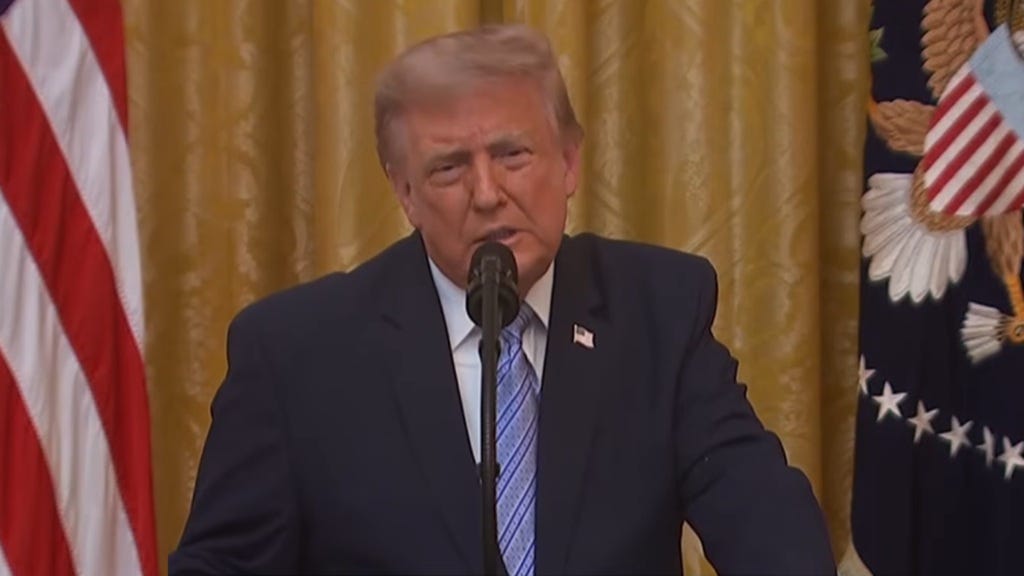
Republicans are leaning into anti-Asian messaging ahead of the midterms
Republican campaigns are once again leaning into China-focused messaging as the midterms approach, reviving tactics that Asian American advocates say blur the line between criticizing the Chinese government and casting suspicion on people of Asian descent. Recent weeks have brought racially charged attacks against Asian American candidates, renewed claims of Chinese election interference and campaign ads critics say rely on familiar stereotypes.
Advocacy groups warn that the rhetoric echoes past election cycles, when political messaging spilled into everyday hostility toward Asian Americans. With key races approaching, organizations across the country are urging Asian American voters to stay engaged, arguing that turnout will ultimately be the strongest response to campaigns that seek to turn ethnicity and foreign policy into political liabilities.
What else we’re tracking
Trump’s China election data claims draw Beijing denial, stir AAPI fears
President Donald Trump is once again claiming that China is trying to influence U.S. elections, accusations that Beijing has denied, and Asian American advocates say risk fueling suspicion toward Chinese American communities. The renewed rhetoric comes as anti-China messaging becomes increasingly prominent ahead of the midterms.
Indian and Chinese students increasingly look beyond the U.S.
New U.S. visa restrictions are prompting more prospective students from India and China to consider universities in Europe and Asia. Education experts say the changes add another layer of uncertainty for applicants already weighing immigration policies, tuition costs and career opportunities after graduation.
Feds sued over handling of Hmong man dragged from St. Paul home in underwear
More than six months after a Hmong American was handcuffed at gunpoint and taken from his home during an immigration raid, local officials are asking a federal court to compel DHS to release records about the operation. The lawsuit raises new questions about oversight and transparency.
ICE agents leave Asian man cuffed, screaming at Las Vegas airport before vanishing
An Australian man of Vietnamese descent says ICE agents left him handcuffed and pleading for help at a Las Vegas airport before walking away, an encounter that has sparked questions about the agency’s handling of immigration detentions. The incident is now drawing scrutiny as advocates call for greater accountability.
Marvel puts editor who pretended to be Japanese in charge of Asia originals
Marvel has named former editor-in-chief C.B. Cebulski to oversee original comics and manga from Asia, nearly a decade after he admitted posing as a Japanese creator under the name “Akira Yoshida.” The appointment has renewed scrutiny over one of the comics industry’s most controversial identity scandals.
China cracks down on AI companions
China has introduced nationwide rules requiring AI companion apps to discourage emotional dependence and steer users toward real-world relationships. While officials frame the regulations as consumer protection, analysts say they also align with Beijing’s broader efforts to address the country’s demographic challenges.
South Korean star makes another NBA case
South Korean forward Lee Hyun-jung closed NBA Summer League with his strongest performances yet, reviving hopes that the former Davidson standout could earn another NBA opportunity after several seasons in the G League and overseas.
Asia’s richest person dismisses AI bubble fears as ‘absurd’
Masayoshi Son isn’t worried that the AI boom has gone too far. The SoftBank founder says fears of an investment bubble are misplaced, outlining an ambitious vision for artificial intelligence that includes massive infrastructure spending and rapid technological growth.
Why read Issue #236?
Every election season brings renewed debate over borders, national security and America’s place in the world. What deserves just as much attention is how quickly those conversations can blur into assumptions about people who share a language, ancestry or cultural ties with the countries being discussed.
The same tension extends beyond politics. Whether the subject is immigration, education, artificial intelligence or media, decisions made by governments and institutions often reach far beyond their original intent, affecting communities with little influence over the outcome.
Support independent Asian diaspora journalism. Become a paid subscriber to read the full stories and help sustain The Rebel Yellow.
The Rebel Yellow is supported in part by funding from The Asian American Foundation (TAAF). Funders do not influence story selection, reporting, or editorial decisions. All editorial content is independently produced by The Rebel Yellow team.