

A federal appeals court has cleared the way for a Texas law that would allow state and local police to arrest people suspected of crossing the border illegally, raising immediate concerns about how that suspicion will be determined. The decision doesn’t settle whether the law is constitutional, but it does open the door for enforcement to begin.
Elsewhere, a Supreme Court case could reshape birthright citizenship, while a deadly attack in Los Angeles and backlash over rhetoric and representation show how quickly tension is surfacing in public and cultural spaces. We also look at political fallout in Washington and how global conflict is reaching into everyday economic decisions.
Featured
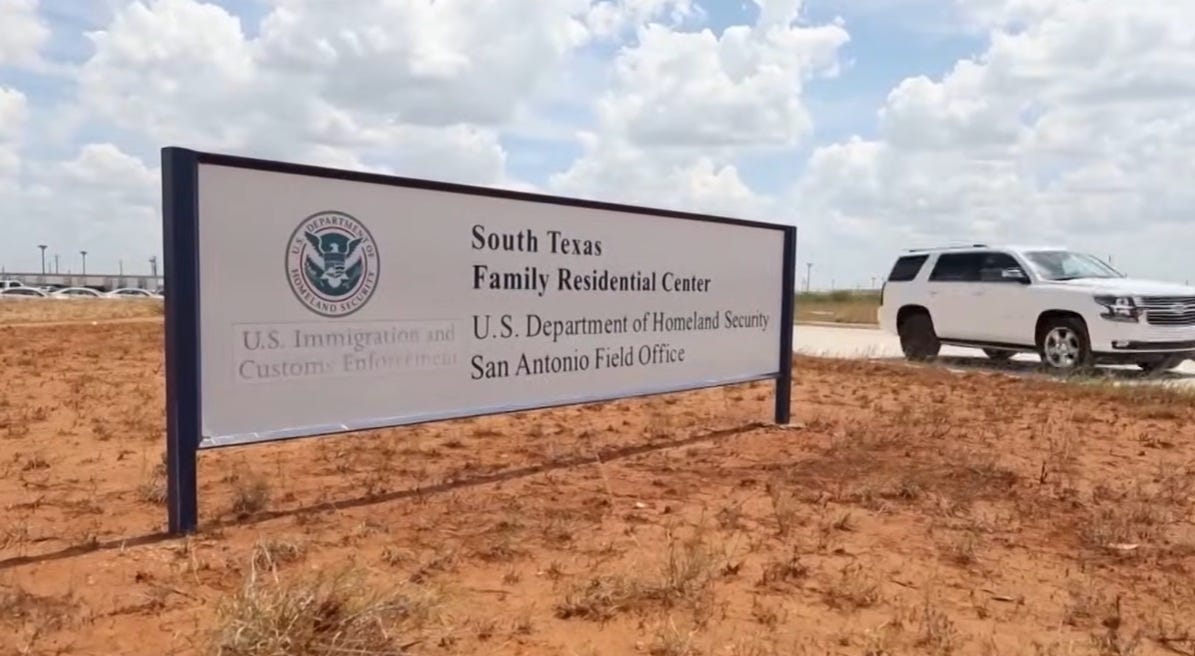
Texas cops could soon arrest immigrants based on their looks
A federal appeals court has allowed a Texas law to move forward that would let police arrest people suspected of crossing the border illegally, even without a final ruling on whether it is constitutional. The measure grants state and local officers the authority typically reserved for federal agencies, raising concerns about how those decisions will be made in practice.
For many, the immediate question is what counts as suspicion. The law could lead to apprehensions based largely on appearance, putting Asian Americans and other immigrant communities at heightened risk.
What else we’re tracking
Birthright citizenship ruling could reshape economy
A new study estimates birthright citizenship could contribute $7.7 trillion to the U.S. economy over time. A Supreme Court case now underway could determine whether that pathway remains in place.
Kash Patel’s future in question amid controversies
A White House official says FBI Director Kash Patel’s removal may be imminent as controversies over his conduct continue to mount. The administration has not confirmed any decision, but speculations are growing louder.
Elderly Korean man killed in LA attack
An 84-year-old Korean man has died after being beaten and set on fire in Los Angeles. Prosecutors say the victim was particularly vulnerable due to dementia. A suspect is now facing a murder charge.
Asian Comedy Fest returns with 70-plus performers
Asian Comedy Fest is returning to New York with more than 70 performers across multiple shows. Proceeds will support immigrant services in the city. The event highlights a growing creative community.
Trump’s Iran war disrupts Southeast Asia rice production
Rising costs tied to the Iran war are forcing rice exporters in Thailand and Vietnam to rethink production. Shipping delays and higher fuel prices are cutting into margins. Some farmers may shift crops if conditions continue.
Hallmark faces backlash over Mahjong film casting
A Hallmark film centered on Mahjong is facing backlash over its mostly white cast. Critics say the casting overlooks the culture tied to the game. The debate has spread across social media.
Why read Issue #205?
What stands out in this issue is how much power is being handed down without clear limits on how it will be used. In some cases, that means enforcement decisions made on the spot. In others, it means legal definitions that could shift who is recognized or protected in the first place. What we see is that once those lines move, the effects don’t stay contained. They show up in how people are treated and what they have to navigate every day.
Support independent Asian diaspora journalism. Become a paid subscriber to read the full stories and help sustain The Rebel Yellow.
The Rebel Yellow is supported in part by funding from The Asian American Foundation (TAAF). Funders do not influence story selection, reporting, or editorial decisions. All editorial content is independently produced by The Rebel Yellow team.