

A major university system is pulling funding from Asian American student groups after determining it could violate federal law, forcing organizations to compete for limited resources moving forward. The decision is already raising questions about what support for minority students looks like under increasing legal scrutiny.
In other news, a family is using AI to take on multiple universities over alleged admissions discrimination, while new tensions between South Korea and Israel highlight how global conflicts are being debated beyond the West. We also look at immigration cases drawing concern, cultural milestones across music and literature and a growing fight over consolidation in Hollywood.
Featured
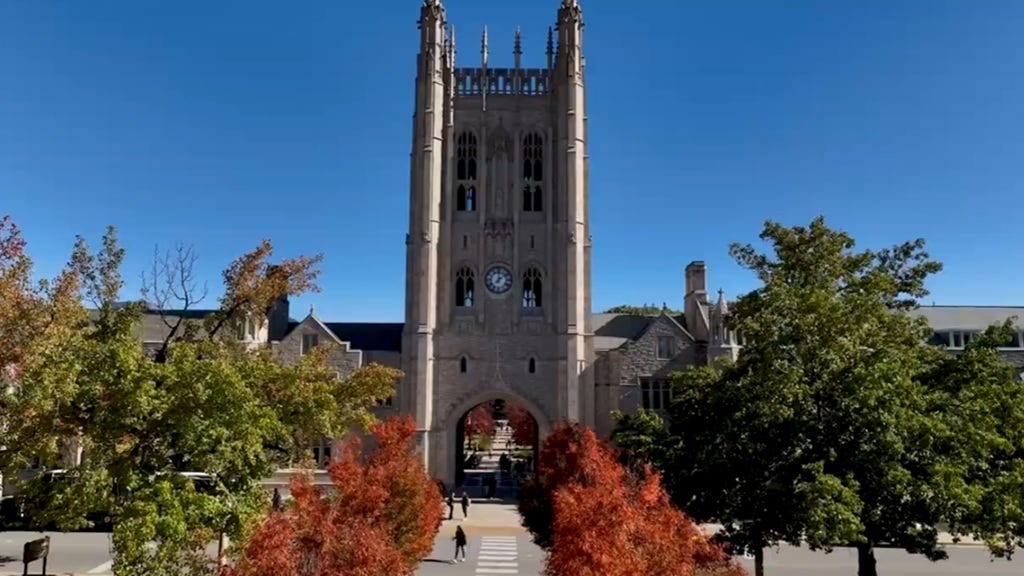
Mizzou cuts funding for Asian American student groups
Asian American student groups at the University of Missouri are losing dedicated funding after the university determined its support model could violate federal law. Beginning this summer, organizations like the Asian American Association will be reclassified and required to compete for limited funds alongside hundreds of other student groups.
The change effectively dismantles an existing structure that allowed umbrella organizations to support smaller cultural groups, forcing them to operate independently with significantly reduced resources. The shift is expected to complicate programming and community support, but the university says the move is necessary for federal compliance.
What else we’re tracking
South Korea, Israel resolve dispute over Holocaust remarks
South Korea and Israel have settled a dispute over controversial remarks comparing wartime actions to the Holocaust. The comments, which came from South Korean President Lee Myung Jae, has drawn divided opinions.
Family uses AI to sue colleges over alleged admissions bias
After being rejected by multiple universities, a student and his family continue to harness AI to pursue legal challenges. They say the technology allows them to take on cases that would otherwise be too costly.
Seattle installs first U.S. city statue of Swami Vivekananda
Seattle has unveiled a statue of Swami Vivekananda, marking the first time a U.S. city has installed a monument honoring the Indian philosopher. The project is part of a broader cultural diplomacy effort, reflecting the growing presence of Indian communities in the region.
Libraries launch regional reading program on Japanese American incarceration
More than 190 library systems have joined a shared reading program centered on George Takei’s memoir about Japanese American incarceration. The initiative brings historical accounts to a wide audience across the West Coast. It also connects past experiences to present-day conversations.
BINI becomes first Filipino group to perform at Coachella
BINI made history as the first Filipino group to perform at Coachella. Their set drew from recent releases and marked a major milestone for P-pop on a global stage. The group is set to continue its international tour.
Asian creatives oppose major Hollywood merger
Thousands of film and TV professionals, including Asian creatives, are opposing a proposed $111 billion media merger. Critics say it would reduce opportunities and concentrate power in the industry. The deal now faces regulatory scrutiny.
Why read Issue #199?
Today’s stories feature decisions that change access; whether that’s funding, education, legal recourse or creative opportunity. In some cases, the rules are shifting in real time. In others, however, people are finding workarounds or pushing back when the system doesn’t leave much room. The common thread is who gets to keep their footing when those changes happen.
Support independent Asian diaspora journalism. Become a paid subscriber to read the full stories and help sustain The Rebel Yellow.
The Rebel Yellow is supported in part by funding from The Asian American Foundation (TAAF). Funders do not influence story selection, reporting, or editorial decisions. All editorial content is independently produced by The Rebel Yellow team.
The Mizzou story is the one worth watching. The mechanism — reclassifying dedicated support as potentially illegal and forcing groups to compete in a general pool — is a way of dismantling infrastructure while being able to say no one was specifically targeted. The result is the same either way.