

Today’s stories open with President Donald Trump signing new executive orders that narrow birthright citizenship and target so-called birth tourism. Then, a new analysis shows that student visas to Chinese and Indian nationals have fallen sharply under his administration.
Nationally, civil rights groups join forces to protect voters ahead of the midterms as citizenship and identification requirements remain unresolved in Congress. Overseas, investigators in Thailand and the Philippines uncover troubling references to U.S. school shootings while working on cases. And on the ice, prospect Simon Wang hopes to eventually see more Asian kids follow his path into hockey.
Featured
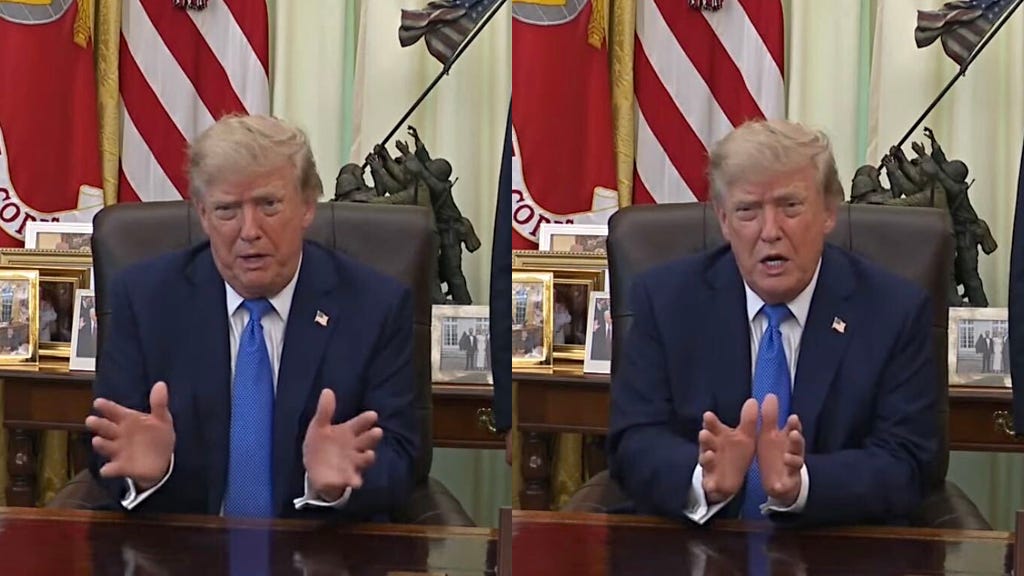
After Supreme Court defeat, Trump tries to name who can’t be American … again
President Donald Trump has signed two executive orders on birthright citizenship and so-called birth tourism, reviving a push the Supreme Court rejected in June. One order narrows who qualifies for citizenship at birth, while the other would refuse visas to suspected birth tourists.
Enforcement details remain unclear, and whether the orders can survive the Supreme Court’s ruling is yet to be seen. One group likened the orders to the incarceration of Japanese Americans in World War II.
What else we’re tracking
Trump cut Chinese and Indian student visas by half, analysis shows
A new analysis of State Department data reveals a steep drop in student visas issued to Chinese and Indian nationals in 2025. The decline touches a pipeline that has long shaped Asian American tech and graduate communities, with consequences that are still coming into focus.
As election rules remain unsettled ahead of 2026 midterms, Asian and Latino groups unite to protect voters
Asian and Latino civil rights groups are joining forces ahead of the midterms as new citizenship and identification requirements remain stalled in Congress. The alliance says the stakes are especially high in Asian American communities, where a majority of eligible voters are naturalized citizens.
US school shootings surface in probes of deadly attacks in Thailand, Philippines
Investigators in Thailand and the Philippines are examining possible connections to American school shootings after the two countries endured three deadly attacks in six months, including a suspected link to a U.S. massacre. The findings have already prompted active-shooter drills and renewed gun control debates.
NHL’s highest-drafted China-born player wants more Asians in hockey
Haoxi Simon Wang became the highest-drafted China-born player in NHL history, and he already wants company. The San Jose Sharks prospect says seeing young Asian fans at his development camp this summer only further strengthens his growing hope for what comes next in the sport.
Why read Issue #243?
This issue shows institutional pressure and community assertion moving at once inside Asian American life. We can see how federal policy has tightened in ways that fall unevenly on immigrant and naturalized communities. But at the same time, there is also pushback … and it’s bound to be stronger. Community advocates are organizing voters, preparing legal challenges and steadily building visibility.
Together, these stories argue that Asian American communities are not simply reacting to policy, but are shaping how it plays out.
Support independent Asian diaspora journalism. Become a paid subscriber to read the full stories and help sustain The Rebel Yellow.
The Rebel Yellow is supported in part by funding from The Asian American Foundation (TAAF). Funders do not influence story selection, reporting, or editorial decisions. All editorial content is independently produced by The Rebel Yellow team.