

The Supreme Court has handed the Trump administration a major immigration victory, ruling that federal courts cannot review decisions to revoke Temporary Protected Status. The decision immediately affects hundreds of thousands of Haitians and Syrians while leaving immigrants from countries including Afghanistan, Myanmar and Nepal with little legal recourse if their protections are withdrawn.
We’re also covering the Grammys’ new Asian pop category and the debate it has sparked, Zohran Mamdani’s growing political influence, warnings that the Trump administration has quietly revived a “China Initiative 2.0,” Miyako Cech’s personal connection to “Avatar: The Last Airbender” and Olivia Rodrigo’s new women-focused music festival.
Featured
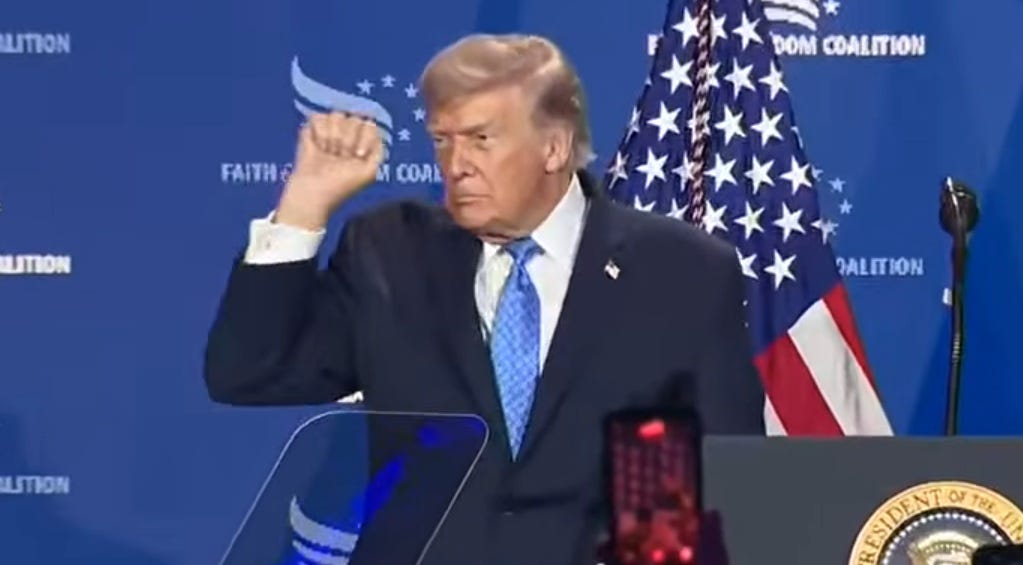
Supreme Court grants Trump power to end TPS program for immigrants
The Supreme Court ruled that courts cannot review decisions to revoke Temporary Protected Status, giving the Trump administration broad authority over a humanitarian program covering 1.3 million people across 17 countries.
The decision immediately affects TPS holders from Haiti and Syria while also leaving immigrants from countries including Afghanistan, Myanmar and Nepal without judicial recourse if their protections are terminated. The ruling is expected to shape future immigration policy well beyond the current administration.
What else we’re tracking
Grammys’ new Asian pop category sparks debate
The Recording Academy has created its first Grammy category dedicated to Asian pop, recognizing one of the world’s fastest-growing music industries. While many welcomed the move as overdue recognition, others questioned whether grouping diverse languages and music markets into a single category broadens representation or creates a separate lane for Asian artists.
Lawyers warn of a “China Initiative 2.0”
Civil rights advocates and immigration attorneys say the Trump administration has quietly revived many of the tactics associated with the original China Initiative. They argue that increased scrutiny of Chinese researchers risks discouraging scientific talent while reviving concerns about ethnic profiling that led to the initiative’s closure in 2022.
Mamdani-backed candidates sweep New York primaries
Candidates backed by New York City Mayor Zohran Mamdani swept three Democratic congressional primaries, extending the influence of his political coalition beyond his own mayoral victory. The wins also elevate several candidates from immigrant backgrounds and signal a growing shift within the Democratic Party.
‘That’s my mix’: Miyako on finding herself in “Avatar”
Miyako says joining Netflix’s “Avatar: The Last Airbender” became even more meaningful after she realized the actors cast as Toph’s parents reflected her own Japanese and Chinese heritage. The actress told The Rebel Yellow the thoughtful casting choice made her feel “seen.”
Olivia Rodrigo launches Lilith Fair-inspired festival
Olivia Rodrigo has announced Daisy Chain Fields, a new music festival inspired by Lilith Fair that will feature KATSEYE, Stevie Nicks, Mitski, Chappell Roan and other women artists. Net proceeds will support organizations focused on women and girls.
Why read Issue #228?
Some of the biggest forces shaping people’s lives are institutions most of us rarely think about until something changes. A court ruling can redefine who gets to stay in the country. An awards organization can influence how an entire region’s music is understood. Government investigations can affect who feels welcome to study, work or build a career in the U.S.
None of those decisions happen in isolation. They ripple outward, affecting families, industries and communities that may never have had a seat at the table. This issue looks at what happens when institutions quietly redraw the boundaries of opportunity, recognition and belonging.
Support independent Asian diaspora journalism. Become a paid subscriber to read the full stories and help sustain The Rebel Yellow.
The Rebel Yellow is supported in part by funding from The Asian American Foundation (TAAF). Funders do not influence story selection, reporting, or editorial decisions. All editorial content is independently produced by The Rebel Yellow team.